
How Often Should You Deep Clean a Vacation Rental?
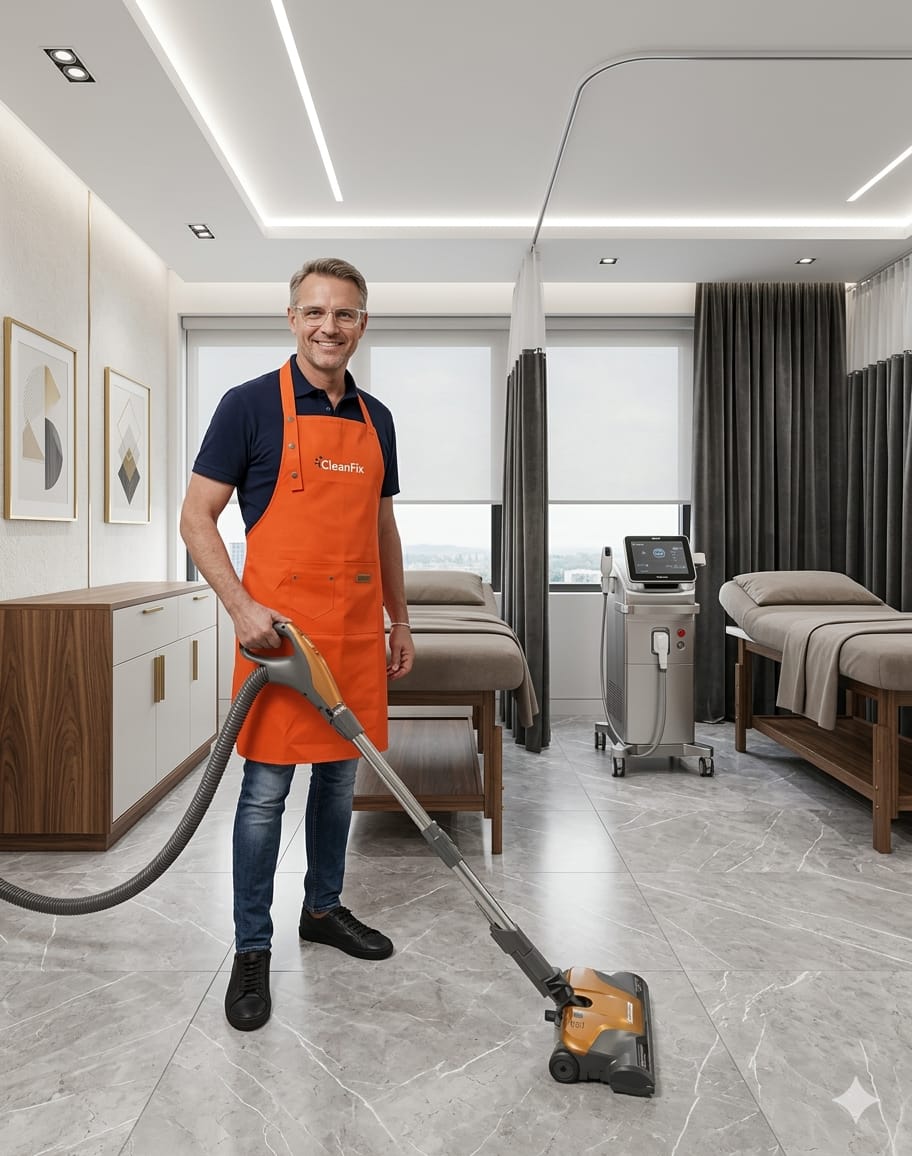
For many vacation rentals, a deep clean every three to six months is a useful starting point—not a universal rule. Busy properties, pet-friendly homes, and beach-adjacent rentals may need attention sooner. The best approach to deep cleaning vacation rentals combines a recurring schedule with inspections, so you address buildup before it becomes a guest complaint.
1. Understand What a Deep Clean Adds
A turnover clean prepares the property for the next arrival: changing linens, cleaning bathrooms and kitchens, handling trash, and cleaning floors and touchpoints. Deep cleaning adds time for less-accessible areas and accumulated soil that a standard turnover scope may not cover.
Examples include cleaning behind safely movable furniture, detailing cabinet fronts and baseboards, removing bathroom mineral buildup, and cleaning appliance interiors. Define these tasks explicitly; “deep clean” can mean different things to different providers.
A deep clean never replaces essential between-guest work. Food residue, dirty bathrooms, spills, and soiled bedding need immediate attention. Start with a clear vacation rental turnover scope, then identify which additional tasks require a separate appointment.
2. Choose a Baseline Schedule, Then Adjust
Use these intervals as planning guidelines. Actual timing should reflect occupancy, guest behavior, property condition, and what cleaners find during inspections.
- High-turnover or heavily occupied rentals: inspect monthly and consider a full deep clean every two to three months.
- Moderately occupied rentals: begin with a deep clean every three to six months, moving it earlier if buildup appears.
- Lightly used or seasonal rentals: plan a thorough clean before the main booking season and reassess after extended vacancy.
- Long-stay properties: arrange periodic cleaning with guest agreement and inspect thoroughly after departure rather than relying on booking count.
Separate full resets from rotating detail work
You do not have to postpone every detailed task until the next full reset. Rotate manageable jobs into longer turnovers: cabinet interiors one week, accessible vent grilles another. Keep a full-property appointment on the calendar for work that requires moving furniture, drying time, or coordinated access.
3. Account for South Florida Conditions
Across Broward and Palm Beach counties, humidity, beach traffic, and frequent outdoor use can change cleaning needs. A coastal condo with open balcony doors may need a different schedule than an inland property with occasional bookings.
- Sand: inspect beneath rugs, sofa cushions, and bed frames. Entrance mats help, but they do not eliminate tracked-in grit.
- Humidity: check bathroom corners, window areas, and closets for persistent dampness or musty odors. Cleaning alone cannot correct a leak or ventilation problem.
- Salt exposure: inspect balcony-door tracks and exposed fixtures, using products compatible with their finishes.
- Pets and large groups: check upholstery, mattress protectors, and hidden floor edges more often.
Move a deep clean forward when you find recurring odors, sticky cabinet surfaces, visible dust on overlooked edges, or bathroom buildup that routine cleaning no longer removes. Persistent moisture or recurring suspected mold warrants assessment of the underlying issue—not repeated cosmetic cleaning.
4. Build a Room-by-Room Deep-Cleaning Checklist
Kitchen and dining areas
- Empty and clean refrigerator shelves, drawers, seals, and approved removable parts; coordinate safe storage for any retained food.
- Clean the oven and microwave according to appliance instructions. Degrease the backsplash and clean washable range-hood filters as directed.
- Wipe empty drawers and cabinets, inspect utensils and cookware, and detail chair backs, table edges, and cabinet handles.
Bathrooms
- Address soap residue and mineral deposits with products appropriate for glass, tile, grout, and fixtures. Avoid acidic cleaners on acid-sensitive stone.
- Detail toilet bases, accessible plumbing exteriors, vanity interiors, and exhaust-fan covers where safely accessible.
- Inspect caulk and grout for deterioration. Record repair needs separately rather than expecting cleaning to fix damaged materials.
Bedrooms and living spaces
- Vacuum beneath cushions and accessible furniture; detail baseboards, door edges, blinds, and reachable fan blades using safe access equipment.
- Inspect mattresses and protective covers. Launder washable bedding and soft furnishings according to care labels, with enough time for complete drying.
- Clean interior glass and door tracks, inspect rugs and upholstery, and identify any specialist cleaning needed.
Clean surfaces before disinfecting when disinfection is needed. Follow product labels for dilution, surface compatibility, and wet contact time, and never mix cleaning chemicals. Heavy appliances and unstable furniture should not be moved without appropriate help.
5. Schedule Enough Time Without Disrupting Guests
Book deep cleaning during a vacancy window rather than squeezing it into a tight same-day turnover. Ask the provider to estimate time based on size, condition, furnishings, and scope—not bedroom count alone. Include a buffer for drying, inspection, and unexpected problems.
- Confirm checkout and the next arrival, then block the necessary calendar time.
- Share access instructions, parking details, building rules, and photos of priority areas.
- Agree on inclusions, exclusions, and approval procedures for additional work.
- Coordinate repairs before the final clean whenever practical.
- Inspect the finished property before releasing it for check-in.
For occupied stays, arrange access in advance and respect guest privacy. Avoid promising completion until the scope and available working window are confirmed.
6. Track Results and Refine the Interval
Keep a simple property log with the cleaning date, completed tasks, photos, unresolved issues, and next review date. Ask turnover cleaners to flag emerging buildup using the same checklist each visit. Consistent notes are more useful than relying on memory.
After two deep-cleaning cycles, review what needed the most work. If shower deposits or upholstery soil return quickly, shorten the interval for those tasks. If some areas remain consistently clean, keep inspecting them while reallocating time to higher-need areas. The goal is a reliable standard, not an arbitrary calendar.
FAQ
Does a vacation rental need deep cleaning after every guest?
Usually not. Every departure requires thorough turnover cleaning, while deeper tasks follow a separate schedule. Unusual soil, spills, or odors may require additional work immediately.
Is an annual deep clean enough?
It may be enough for some lightly used properties with regular detail work and inspections. Frequently occupied rentals generally need more frequent attention based on condition.
Can deep cleaning eliminate a musty smell?
It may help if dirty materials are the source. Persistent mustiness requires checking for moisture, leaks, or ventilation issues; fragrance should not substitute for finding the cause.